Review bread loaf bag
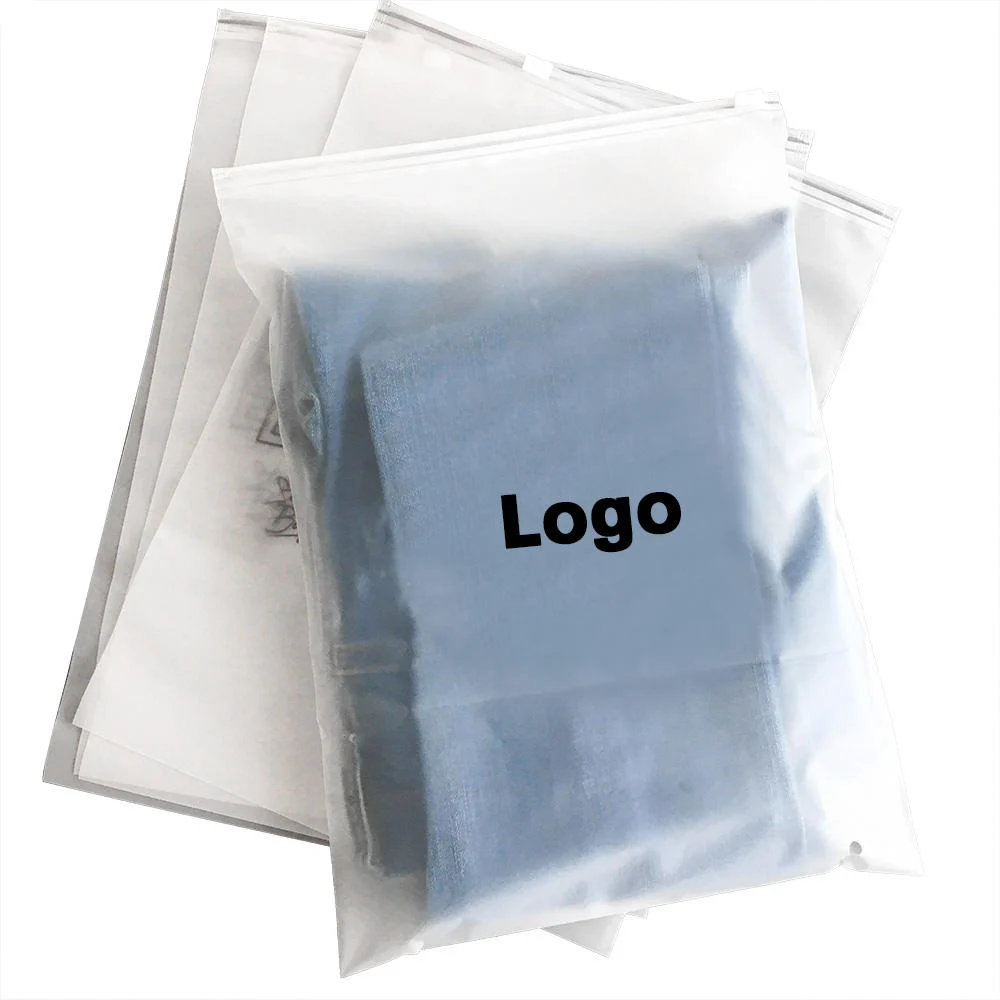
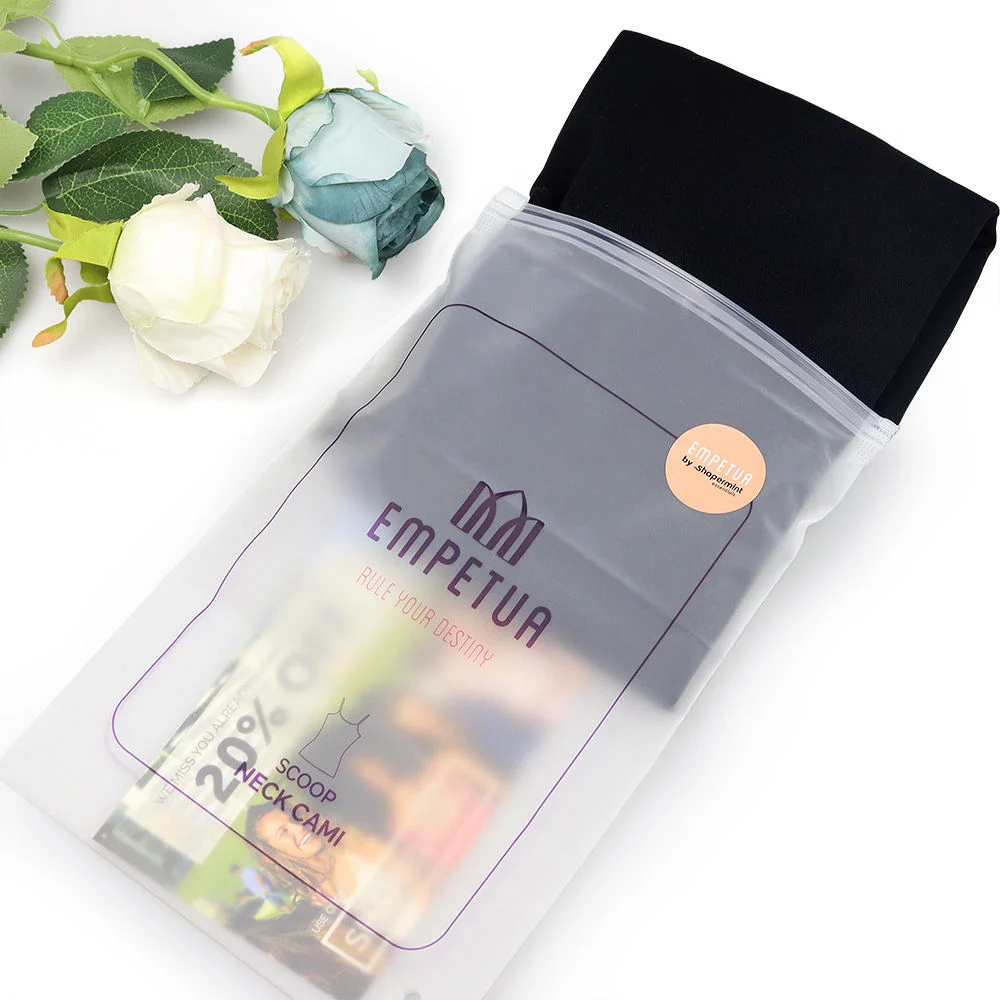
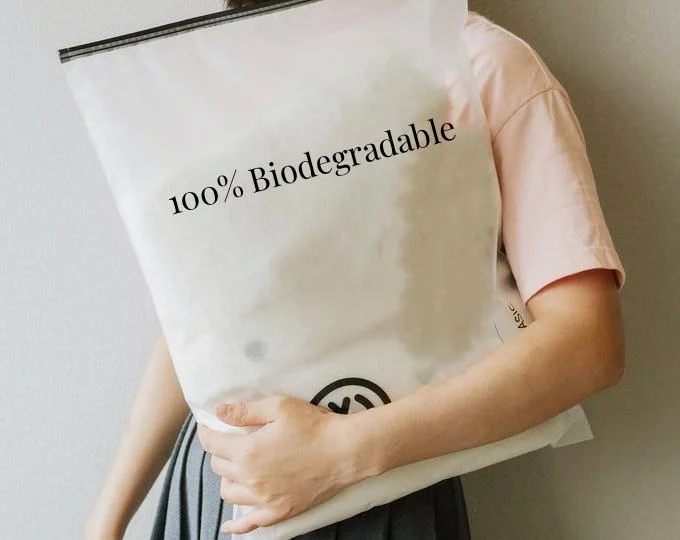
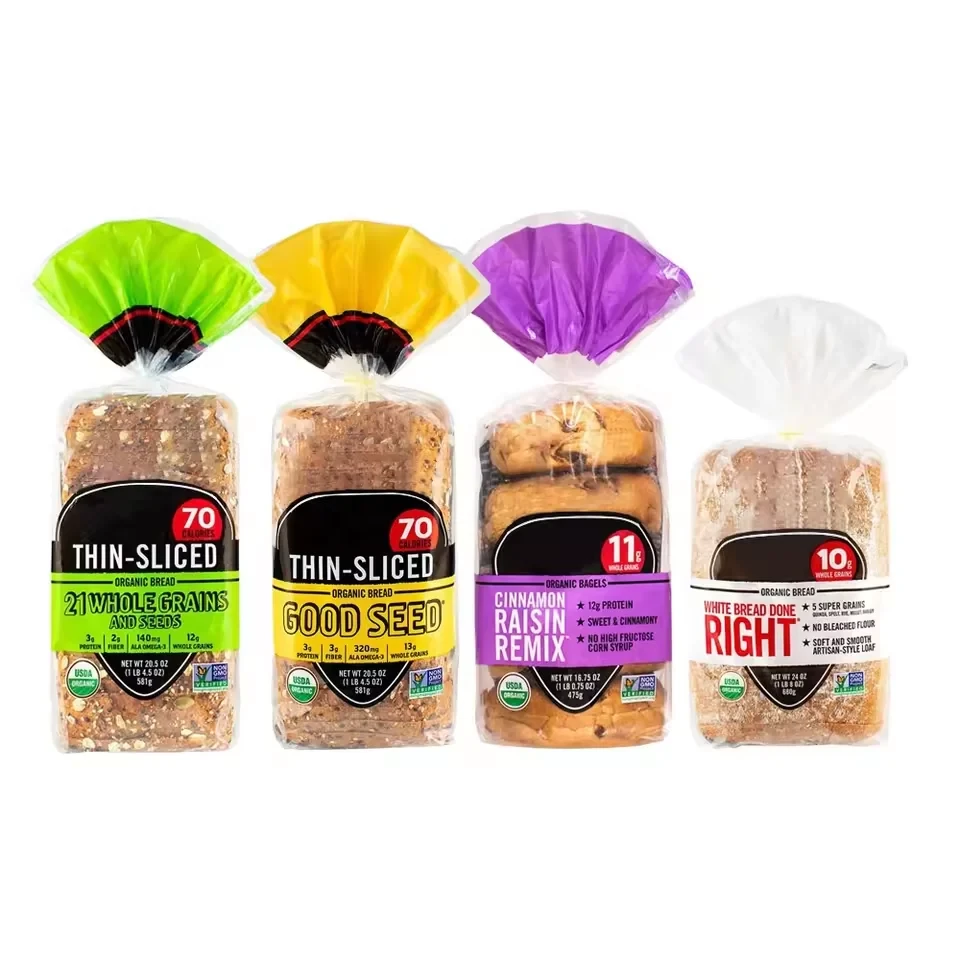
Use PHG-PC-39C2210171 to identify this image and its reference details when contacting PackHubGlobe. Material reference: OPP, CPP. Size reference: Custom size. Printing or finishing reference: Gravure printing. These entries describe starting points for a custom specification, not an approved bill of materials or a fixed stock item. Review the complete material, finished dimensions, seams, opening and requested features together and identify any requested changes. Confirm one final construction and artwork revision in the written quotation and sample approval. Catalog orders start at 500 pieces.
Choose the bag for its actual job
Garment protection, retail carrying and parcel shipping are different jobs. State whether the bag will be displayed, stored, opened repeatedly or used as an outer shipping layer. Include the folded product size and any items placed alongside it. The usable interior depends on the closure and seal areas as well as the flat bag dimensions. Review clarity, opacity and the packing experience with a physical sample before selecting a printed design.
Film and closure specification
Define the material direction, thickness convention, finished size and closure in one specification. Zippers, adhesive flaps, hang holes and ventilation features should be reviewed where relevant to the product and distribution. A film name alone does not establish puncture, seal or carrying performance. Describe the actual contents and handling conditions so the sample check can target the right risks. Keep material and environmental claims tied to the structure and destination rather than to a general appearance.
Printed branding on flexible surfaces
Flexible film changes shape when it is folded, filled and handled. Position the logo and important text where they remain readable on the packed bag. Clear and translucent films may require a white-ink decision; opaque surfaces need their own color reference. Keep artwork away from seal areas and the working parts of the closure. Review a filled sample for readability, opacity and scuffing against the actual garment or product instead of approving only a flat visual.
Packing and opening trials
Try the intended packing sequence using the real contents. Check whether the product slides in cleanly, whether the closure has enough working space and whether any sharp edge stresses the film. For a resealable direction, inspect opening and reclosing under the expected use. For a mailer, review the full parcel arrangement and label position. Record the material, size and closure used in the trial so a later design change does not silently alter the approved packaging.
Define the changes for your order
Use the image to explain which details you want to retain and which should change. For this reference, review the complete material, finished dimensions, seams, opening and requested features. Provide the actual product or companion package, measurements, quantity per design and artwork status. Confirm structural or application decisions before placing important text on the final drawing. If the order includes several components, list their individual quantities and explain how they fit together in packing, display or delivery. Keep the approved version of each component identifiable throughout the quotation and sample review.
Your specification checklist
- Reference PHG-PC-39C2210171 and the exact component or complete pack to be supplied.
- Finished dimensions with units, and fill quantity only where relevant to the format.
- Quantity per size and artwork version, starting from 500 pieces.
- Complete material, finished dimensions, seams, opening and requested features.
- Artwork files, sample priorities, destination and target arrival window.
Review a sample for the actual task
Select the sample according to the decision still open. For this format, the review should cover filled fit, opening, seams and the planned packing method. A blank sample can resolve construction and fit, while an appropriate printed reference helps review artwork and surface appearance. Confirm how closely the sample material and production route represent the proposed order. Agree the checks and conditions before approval, record the findings and identify the sample revision. If the material, size, opening or application changes, review the affected decision again rather than carrying it over from an unrelated example.
MOQ, quotation and delivery planning
Catalog orders start at 500 pieces. State the quantity for each size and printed design so the quotation can identify the production split and the component being counted. Confirm the quantity for each size and printed design in the written quotation. Ask for setup or tooling, samples, product supply, export packing and freight to be explained where applicable. Production scheduling follows the agreed specification and approvals, while delivery also depends on the destination and shipping arrangement. Include the required arrival window and confirm revised terms when artwork, quantities or packing change.
Bread Loaf Bag questions
What is the MOQ for PHG-PC-39C2210171?
Catalog orders start at 500 pieces. Confirm the unit being quoted and how the quantity is divided across sizes, artwork versions or included components. Confirm the quantity for each size and printed design in the written quotation.
Can I request my own logo and dimensions?
Share the reference, product or companion-pack measurements and artwork status. We will review the component, printable area, dimensions and requested finish together before confirming the specification and sample.
Which material and print details should I review?
The material starting point is OPP, CPP. The print or finish reference is Gravure printing. Confirm the complete construction and one final print specification rather than treating a list of reference options as features automatically included in the order.
What should I send for an accurate quote?
Include PHG-PC-39C2210171, the actual component or pack required, dimensions with units, quantity per design, the complete material, finished dimensions, seams, opening and requested features, sample priorities and delivery country. For filled packs, also describe the contents and filling conditions.
Can the image be used as production approval?
Use the image to communicate the design direction. Approve physical fit, printed color and the relevant functional checks using the final specification and an appropriate sample for the actual component and application.
How do I place a repeat order?
Share the previous reference and approved artwork revision. Confirm whether the product, companion package, material, size, printed information or delivery arrangement has changed, then review affected sample checks before repeating production.
Useful buying guides
Prepare a complete packaging quote brief, choose the right sample type, and review what a print proof should confirm. Compare relevant materials and finishes using the actual construction for your order.